


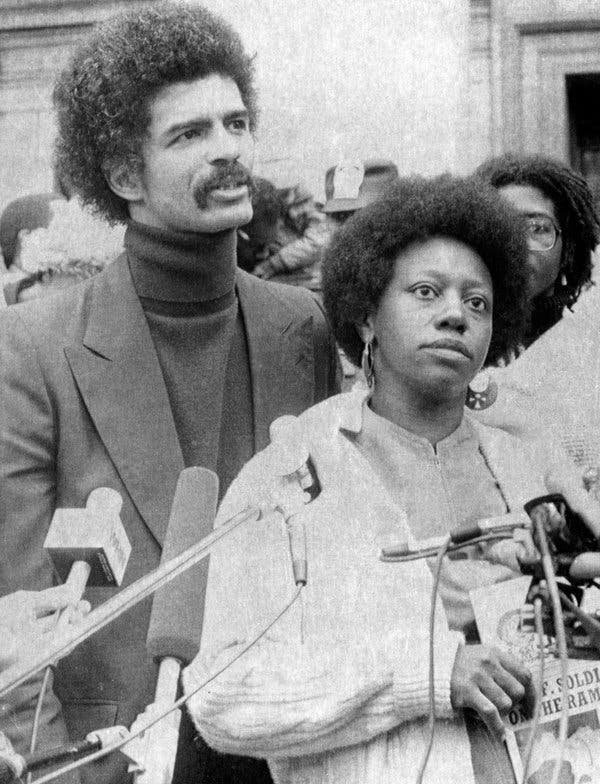
Have you ever wondered what it takes to become a true warrior of social justice and change? Meet Lumumba Abdul Shakur, an extraordinary figure in history whose life was a blend of activism, family ties, and unyielding passion for equality.
Early Life and Family Background
Let’s rewind to the early days. Lumumba Abdul Shakur, originally known as Anthony Coston, was born in Atlantic City, New Jersey. Raised by his parents, Hajj‑Salahdeen and Mariyama Shakur, he grew up with his brother Zayd Malik Shakur. This familial setup wasn’t just an ordinary one – it was deeply rooted in the principles of justice and freedom, values that would shape Lumumba’s path. The family became closely linked with the Nation of Islam, a move that led to the change of their surname to “Shakur.” This new identity wasn’t just a name; it was a legacy aligned with a community striving for empowerment and unity.
Marriage to Afeni Shakur
You’ve probably heard of the legendary rapper Tupac Shakur, right? Well, here’s an intriguing twist! Lumumba married Alice Faye Williams, also known as Afeni Shakur, in 1968. She later became a pivotal figure herself. Through this union, Lumumba became the stepfather to Tupac Shakur. Although not the biological father, Lumumba’s influence was immense, providing Tupac with a foundation of activism and resilience. Imagine being part of such a dynamic family, with ties steeped deep within the fight for social justice!
Role in the Black Panther Party
Now, picture the energetic streets of Harlem in the ’60s. That’s where Lumumba Abdul Shakur shone brightly as a leader within the Harlem chapter of the Black Panther Party. It’s like starring in a real-life action film, where courage meets purpose! With allies like Sekou Odinga, Lumumba was in the thick of the struggle for Black liberation. His leadership was noted for its militancy and dedication. These weren’t just ordinary activist meetings; they were fiery gatherings aimed at shaking up the status quo!
The “Panther 21” Trial
Let’s set the scene for some courtroom drama. Imagine being at the center of the largest trial of its time in New York State! In 1969, the “Panther 21” were accused of plotting bombings. Among them were Lumumba and Afeni, facing the judicial system head-on. Afeni’s decision to represent herself was revolutionary – talk about standing firm! The trial concluded in 1971 with all 21 defendants, including Lumumba and Afeni, walking away acquitted. That’s nothing short of a courtroom victory worthy of a standing ovation!
Later Life and Mysterious Death
Unfortunately, not all stories have clear conclusions. Lumumba passed away mysteriously in the mid-1980s in Louisiana, with suspicions swirling around the nature of his death. Some speculate it was linked to law enforcement’s broader efforts against activists. It’s a plot twist that leaves us questioning and understanding the extent of the challenges faced by those who stood up for belief and cause.
Legacy and Enduring Influence
Even after his passing, Lumumba Abdul Shakur’s impact echoes on. He may not have been Tupac’s biological father, but the spirit of Lumumba’s name and ideals is embedded deep within the Shakur family. His story serves as a potent chapter in the narrative of the civil rights movement. It’s a testament to the idea that the fight for equality and justice transcends generations.
In exploring the remarkable journey of Lumumba Abdul Shakur, we encounter a narrative that speaks to the heart of activism and familial bonds. Visit Front Desk Biz for more revolutionary stories and insights about leaders who have shaped history.
Stay curious and remember, every action you take can forge a new path toward justice and equality in your own life. It’s all about taking that first step and letting history guide you toward a better tomorrow!
Also Read: